
The Simon Bamberger Family
Adherents to the Church of Jesus Christ of Latter Day Saints (LDS) (who do not favor the label of “Mormons”) use the term “gentile” to mean any person who is not LDS.
Around the world, Jews do the same thing: they characterize all non-Jews as “gentiles.”
As a result, in Utah, uniquely in the world, the LDS community considers Jews to be “gentiles.”
This could explain why the predominantly LDS residents of Utah elected Jewish “gentile” Simon Bamberger (1846-1926) governor in 1916.
To the LDS, Jewish gentiles are no different than any other gentiles.
Simon Bamberger joked during his gubernatorial race about his dual status as Jewish and gentile.
Simon Bamberger’s 1916 election victory concluded a twenty-four year era where the Bamberger family won seven Utah elections.
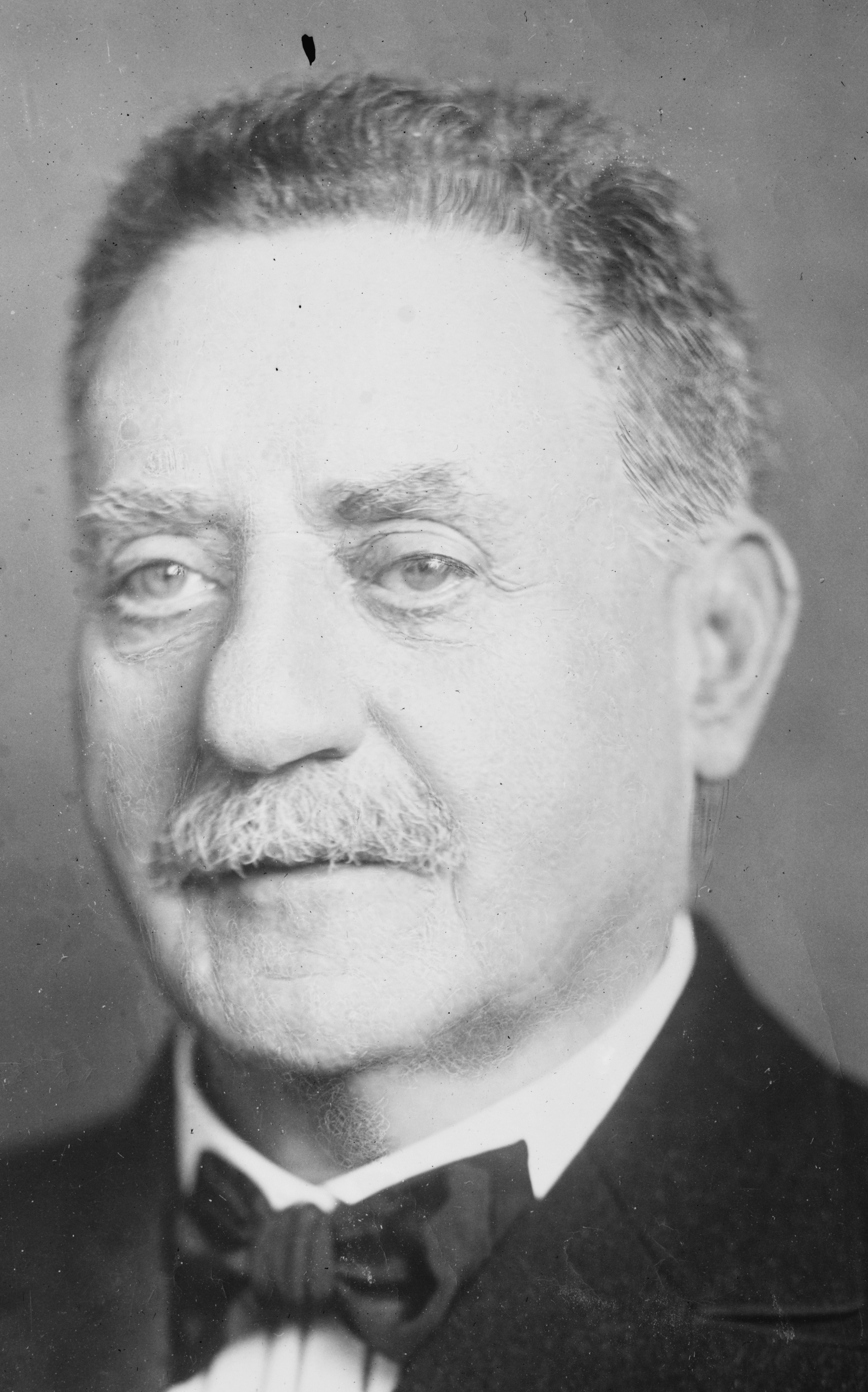
Simon Bamberger
The first family election came when Simon’s older brother Herman Bamberger (1843-1924) won a seat on the Salt Lake County territorial commission for 1893-1894.
Next, Simon had won a four-year term in the Utah state senate in 1902.
In 1904, Simon’s nephew, Harry Joseph (1866-1943), won a seat in the Utah house of representatives.
He was re-elected in 1906 and, in 1907, the representatives elected Joseph as House Speaker.
Simon’s nephew and Harry Joseph’s cousin, Clarence Bamberger (1886-1984), won a two-year house seat in 1913-1914.
Notably, the family won elections as both Democrats and Republicans.
Simon Bamberger remained a committed and active Jew throughout his life.
He recalled that “[a]ll through my life I have sought out and helped fellow Jews and have always felt my Jewishness. … [M]y soul is full of joy that I am a Jew.”
Source
- Mark Rutzik, Breaking New Ground: The Untold Story of Early America’s Jewish Electoral Pioneers – 1788 to 1920, 2025.
Mark Rutzick is the curator of this Bamberger Family exhibit.